
We are not here tofix anybody.
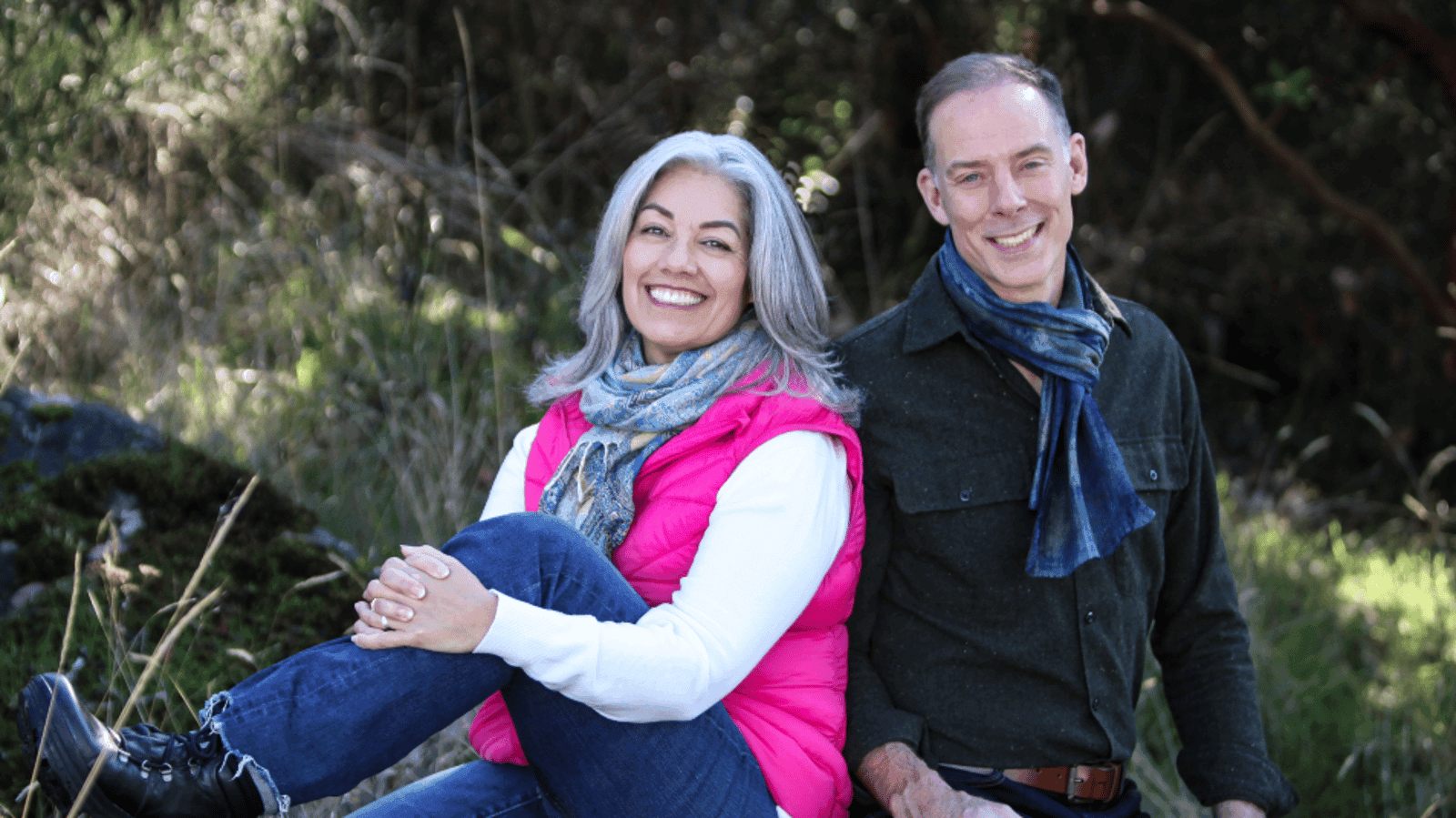
A neuropsychologist and an entrepreneur, both of whom know the inside of this. We met, compared notes, and built the thing we each wished had existed earlier.

"I was too much, but never enough."
Top grades at school, and always in detention. Work to a high standard, and always stressful, always perfectionist. Then a dream hospital job, where the truth was that I could not track all the details.
In 2011, at 41, I was diagnosed with ADHD and started treatment. Acknowledging it, understanding it, then actually accepting it changed everything about how I work and how I am with people.
My research background is brain trauma in relation to executive function, which comes with a lot of peer-reviewed detail about how an ADHD brain differs from the average one. For more than fifteen years I have used that with adults in therapy, coaching, seminars, and assessments. Thousands of them.
Working with ADHD from a place of compassion, alongside the science, permanently changed my relationship with myself, my career, and the people I love.

- One of Canada's first Windows point-of-sale systems, sold across the US and Canada in the 1990s
- Gotanga, software that let cardiologists share arrhythmia reports with their patients
- A tourism marketing agency developing the West Koot Route
- Consulting in Seattle, Vancouver, Toronto, Connecticut, and for the Canadian government
- An inquiry-based middle school where kids learned from their own interests - Arc Academy of Learning
- The Rethink Thinking Foundation, endorsed by Sir Ken Robinson
"They were worried I would achieve nothing, because I kept jumping around."
I am a creative-minded guy who loves starting projects with interesting people. Like a lot of you, my relationships matter most to me, especially with my partner and my son.
Growing up, my own family did not understand me. I was constantly moving on to the next thing, and they read that as a warning sign rather than a way of thinking.
A lot of people are in that position: capable, hardworking, and stuck, because there is no supportive framework that fits how they actually operate. Without one, the potential stays potential.
Thirty years of building things taught me what scaffolding does for a person. That is the part I bring to the coaching.
Medicine, management, and ADHD, in one room.
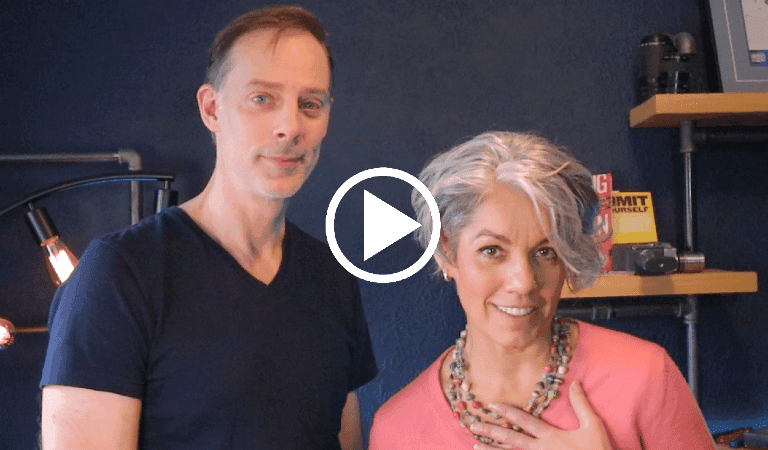
Claire had the clinical depth and a waitlist that would not stop growing. Tom had three decades of building systems and an instinct for what people can actually keep doing on a Tuesday.
Since 2019 we have run coaching programs together, written two books, designed the UForward Planner, and built HyperFocus, the software clinicians use to assess ADHD properly.
The aim has not changed: help people get out of their own way, and add as much value to their own lives as they can.
What we believe
ADHD is not a character flaw
Nobody here is broken, and nobody needs fixing. The work is skill-building, with your ADHD rather than against it.
Emotion is part of executive function
The frustration and the shame are not side issues. We move from there toward standardised processes and practical infrastructure.
Society is built for linear brains
Modern workplaces and timelines do not accommodate non-linear thinking. We teach the communication skills to negotiate that.
Autonomy over productivity
The goal is control of your own spotlight of attention, so the week feels less chaotic. Not more output for its own sake.
What we have built since 2019
Attended by hundreds of people across Canada, the US, Australia, and the UK.
See the programs →Getting It Done with ADHD, Feeling Loved with ADHD, and the UForward Planner.
Books and tools →Licensed practitioners taking adult ADHD assessment referrals across 13 provinces and territories.
The network →HyperFocus, built so doctors can assess ADHD properly, with history and scoring done.
See HyperFocus →Come and meet us properly.
Fifteen minutes on a call, or five minutes on the quiz. Either one tells you more than another page about us will.